What is the difference between nail glue and super glue?
While both belong to the cyanoacrylate adhesive family, cosmetic nail glue is formulated with medical-grade ethyl cyanoacrylate and plasticizers that flex with natural keratin. Household super glue uses industrial methyl cyanoacrylate, which reacts violently with moisture to generate extreme heat spikes, risking chemical burns and traumatic nail plate cracking.
1. The Chemistry of Cyanoacrylate Glues
Nail adhesives belong to a unique family of acrylic resins known as cyanoacrylates. Unlike solvent-based glues that take hours to dry, cyanoacrylate glues are instantaneous adhesives that undergo anionic polymerization.
The secret to their instant hold is moisture. Ambient air and the human nail plate are covered with microscopic traces of water molecules (hydroxyl ions). When liquid cyanoacrylate comes into contact with these hydroxyl ions, a chemical chain reaction starts in milliseconds. The liquid monomers rapidly link together, forming long, durable polymer chains that lock the false nail to the keratin plate.
2. Why Super Glue Burns Natural Nails (The Exothermic Threat)
A viral search query across social media and Google is "can you use superglue for nails". Many users assume that because super glue is cheap and holds tightly, it is an economical alternative to cosmetic nail glue.
From a dermatological standpoint, this practice is dangerous:
- The 65°C Thermal Spike: Polymerization is an exothermic reaction—it releases heat energy. Industrial methyl cyanoacrylate reacts so aggressively with moisture that thin layers can spike to temperatures exceeding 65°C (149°F). If applied directly to the thin keratin of your nail bed, it can cause immediate second-degree chemical and thermal burns.
- Nail Matrix Scarring: If industrial glue seeps beneath your proximal nail fold into the matrix (the living factory that produces new nail cells), the tissue can suffer permanent scar damage, resulting in deformed, split nails for life.
- Severe Onycholysis: Industrial glues lack plasticizing agents. Because the glue is 100% rigid, the slightest accidental knock against a hard surface transfers mechanical torque directly into the pink nail bed, tearing the nail plate away from the living tissue.
Chemical Analysis: Cosmetic Nail Glue vs. Industrial Super Glue
| Chemical / Performance Property | Cosmetic Nail Glue (Ethyl) | Household Super Glue (Methyl) |
|---|---|---|
| Active Chemical Monomer | High-purity Ethyl Cyanoacrylate | Industrial Methyl Cyanoacrylate |
| Viscosity Thickener | Polymethyl methacrylate (PMMA) | Uncontrolled, ultra-thin liquid |
| Exothermic Reaction Heat | Low temperature (< 38°C) safe for tissue | Thermal spike (> 65°C) can cause burns |
| Elastic Flexibility | Absorbs everyday mechanical bumps | Brittle; shatters and cracks natural plate |
| Safe Dissolution Time | Softens in warm soapy oil in 15 min | Resistant; requires harsh chemical scraping |
| FDA / Regulatory Compliance | Formulated specifically for human keratin | Strictly for industrial wood, metal, plastic |
3. The 5 Best Professional Cosmetic Nail Glues
When selecting an adhesive for your press-on nails, choose formulas enriched with plasticizers and precision applicators:
- Glamnetic Brush-On Nail Glue: The gold standard for precision. Features a fine nylon brush that distributes an ultra-thin layer across the nail bed without spilling into cuticle folds. Lasts 2 to 3 weeks.
- NYK1 NailBond Strong Adhesive: Known in salons for its anti-fungal formula and high-tensile bonding strength. Excellent for active individuals and swimmers.
- KISS Maximum Speed Nail Glue: An affordable drugstore favorite with rapid 4-second bond time and a precision dropper tip.
- Makartt Quick Nail Glue: Formulated with ethyl cyanoacrylate and gentle conditioning polymers, ideal for soft gel tips and full-cover press-ons.
- Dashing Diva Fastbond: A low-odor, dermatologically tested formula designed for sensitive nail beds and quick touch-ups.
4. How to Apply Glue for 3-Week Retention
To achieve maximum wear without premature pop-offs:
- Prep with 99% Alcohol: Stripping all sebum and moisture from your nail plate is non-negotiable.
- Double-Sided Dotting: Place one drop of glue in the center of your natural nail, and brush a light coat inside the well of the press-on nail.
- The 45-Degree Roll: Place the artificial nail at a 45-degree angle near your cuticle, then roll it down slowly onto the nail bed to squeeze out all air bubbles.
- Hold for 30 Seconds: Maintain uninterrupted downward pressure for 30 seconds to allow the cyanoacrylate polymer chain to lock tightly.
5. The Gentle Soak-Off Removal Routine (Zero Acetone)
Never pry or force glued nails off with your teeth or a metal pusher!
Follow this soothing soak-off therapy:
- Mix warm water, 2 tablespoons of gentle dishwashing soap, and 1 tablespoon of olive or jojoba oil in a bowl.
- Soak your fingertips for 15 minutes. The soap surfactants penetrate between the press-on and your nail plate, emulsifying the glue matrix.
- Use an orangewood stick to nudge the sidewall gently. If it resists, soak for another 5 minutes. The nail will slide off painlessly.
6. Post-Glue Keratin Rehabilitation
After removing glued press-ons, your nail plate will benefit from intensive moisture therapy. Saturate the bare nails with pure unrefined jojoba oil 3 times daily to replenish lost intracellular lipids. Read our complete clinical recovery protocol in the Nail Health & Recovery Therapy Guide.
Related In-Depth Articles & Tutorials
Expert-tested guides on nail health, salon techniques, and at-home manicure care.
The Ultimate Gel Nails Guide: Science, Application & Care
Our complete master resource on gel manicures, UV/LED curing chemistry, salon vs. DIY longevity, and natural plate preservation.
 DIY Tutorial
 How to Do Gel Nails at Home: Step-by-Step DIY Guide
Achieve salon-quality 3-week wear at home. Covers curing lamp wattages, prep protocols, and zero-lifting secrets.
 Trends & Sizing
 Short Press-On Nails: Sizing Chart & 3-Week Application
Universal millimeter sizing chart for wide and petite nail beds, adhesive tabs vs. glue, and reusable tips.
 Product Guide
 Best Nail Glue for Press-Ons: Chemical Safety & Hold
Why household super glue damages nail beds, cosmetic ethyl cyanoacrylate chemistry, and gentle soak-off removal.
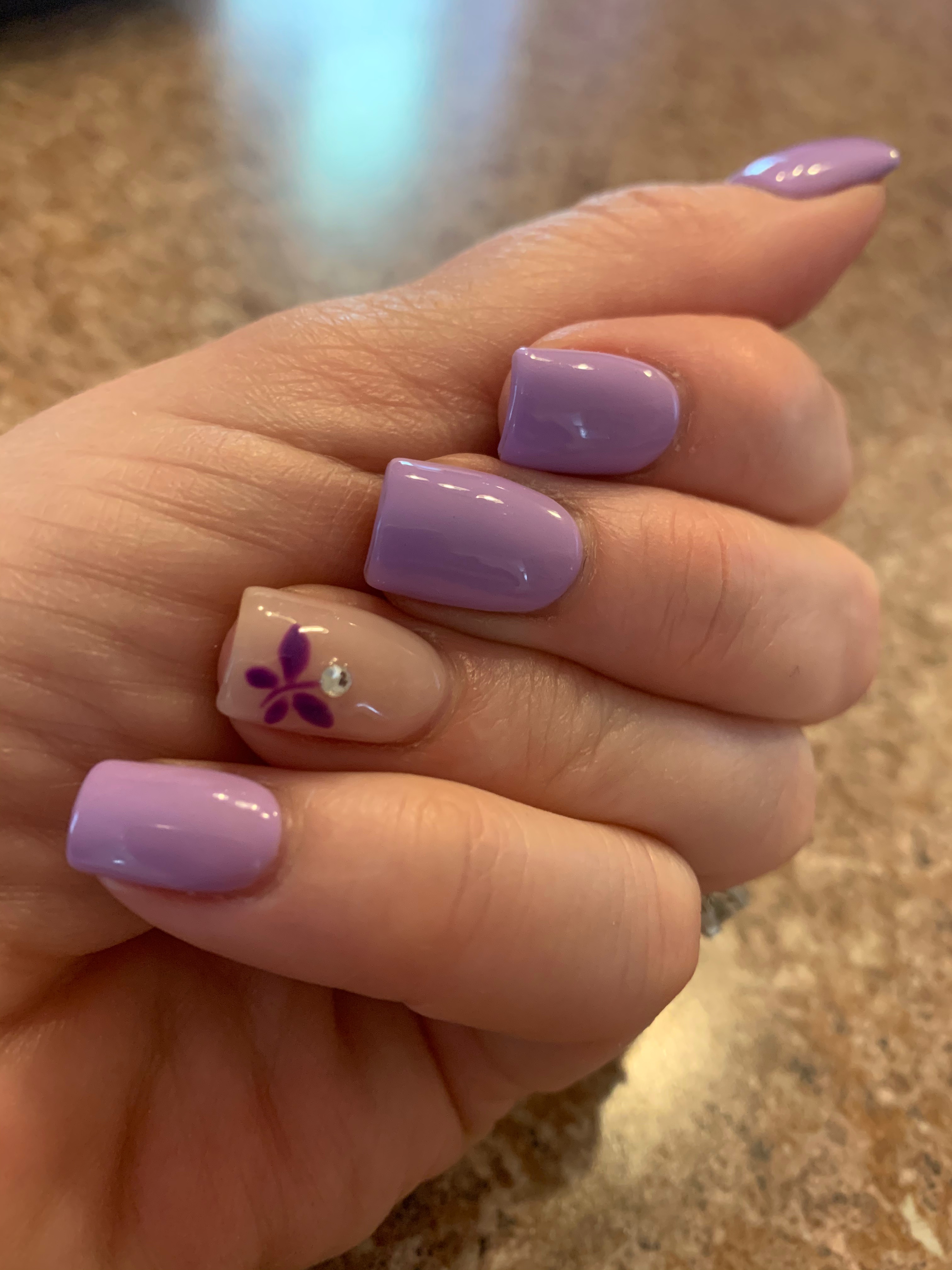 Comparison Guide
 Acrylic vs. Gel Nails: Longevity, Damage & Cost Comparison
Head-to-head breakdown of polymer powder vs. oligomer resins, durability ratings, flexibility, and nail plate health.
 Style Diagnostic
 The Complete Nail Shapes Guide: Geometry, Strength & Hands
Find the most flattering shape for your fingers: Oval, Short Coffin, Round, Almond, and Stiletto engineering.
 Care & Recovery
 Nail Health & Recovery Therapy: Grow Long Natural Nails
Dermatologist-reviewed 4-week protocol to heal damaged, bendable, or splitting nails after enhancements.
Frequently Asked Questions
Expert-verified answers to common questions about techniques, products, and safety.
Can you use regular super glue for press-on nails?
No. You should never use household super glue on nails. Industrial super glues contain short-chain methyl cyanoacrylates that trigger an uncontrolled exothermic reaction upon contact with moisture. This can heat up to 65°C, causing chemical burns, irreversible matrix scarring, and permanent nail bed separation (onycholysis).
What is the best nail glue that doesn't damage nails?
Professional ethyl cyanoacrylate formulas like Glamnetic Brush-On Glue, NYK1 NailBond, and KISS Maximum Speed offer 2 to 3 weeks of hold. They do not cause damage if they are soaked off gently with warm soapy oil water rather than forcefully ripped off.
How do you remove nail glue from your natural nails without acetone?
Mix warm water, 2 tablespoons of liquid dish soap, and 1 tablespoon of olive or jojoba oil in a bowl. Soak your fingertips for 15 minutes. The soap surfactants penetrate between the false nail and your nail plate, emulsifying the adhesive bonds so the glue slides off painlessly.
How long does a bottle of nail glue stay fresh after opening?
Most cosmetic nail adhesives remain fresh for 6 to 12 months after opening. Always wipe the nozzle with an alcohol wipe before capping, and store the bottle upright in a cool, dry place away from direct sunlight to prevent premature polymerization inside the bottle.