Explore Expert Nail Guides & Trends See What's Trending
Guide saved to your personal reading list
Gel Nails

The Best LED & UV Nail Lamps: Buyer’s Guide & Curing Science

Nanometer Wavelengths, True Optical Wattage & Eliminating Heat Spikes

Elena Rostova Editor-in-Chief & Master Nail Educator 14 min read
Verified by Elena Rostova • Master Nail Educator
The Best LED & UV Nail Lamps: Buyer’s Guide & Curing Science

Editor's Key Takeaway

"Demystifying nail curing lamps: why 365nm+405nm dual wavelengths matter, how input wattage differs from optical output, and the top salon-grade lamps."

1. The Physics of Curing: 365nm vs. 405nm Dual Diodes

In the world of nail enhancement chemistry, your bottle of gel polish and your curing lamp are two halves of an interconnected chemical equation. You can buy the most expensive Japanese gel polish on earth, but if your lamp emits the wrong optical wavelengths, your manicures will remain under-cured, rubbery, and chemically dangerous.

Modern professional gel formulas require two distinct ultraviolet wavelengths to cure properly:

  • 365 Nanometers (Deep Structural Cure): This shorter UVA wavelength penetrates through pigment molecules to trigger photoinitiators at the base of the nail plate, ensuring rock-solid adhesion to the natural keratin.
  • 405 Nanometers (Surface Hardening & Gloss): This longer wavelength cures surface oligomers rapidly, eliminating tackiness and producing an impenetrable, scratch-resistant mirror shine.

Always purchase lamps labeled Dual Optical Wavelength (365nm + 405nm). Lamps featuring only single-band diodes cannot cure modern hybrid gel polishes thoroughly.
Interactive Salon Guide

How Gel Polish Cures: Interactive Salon Studio

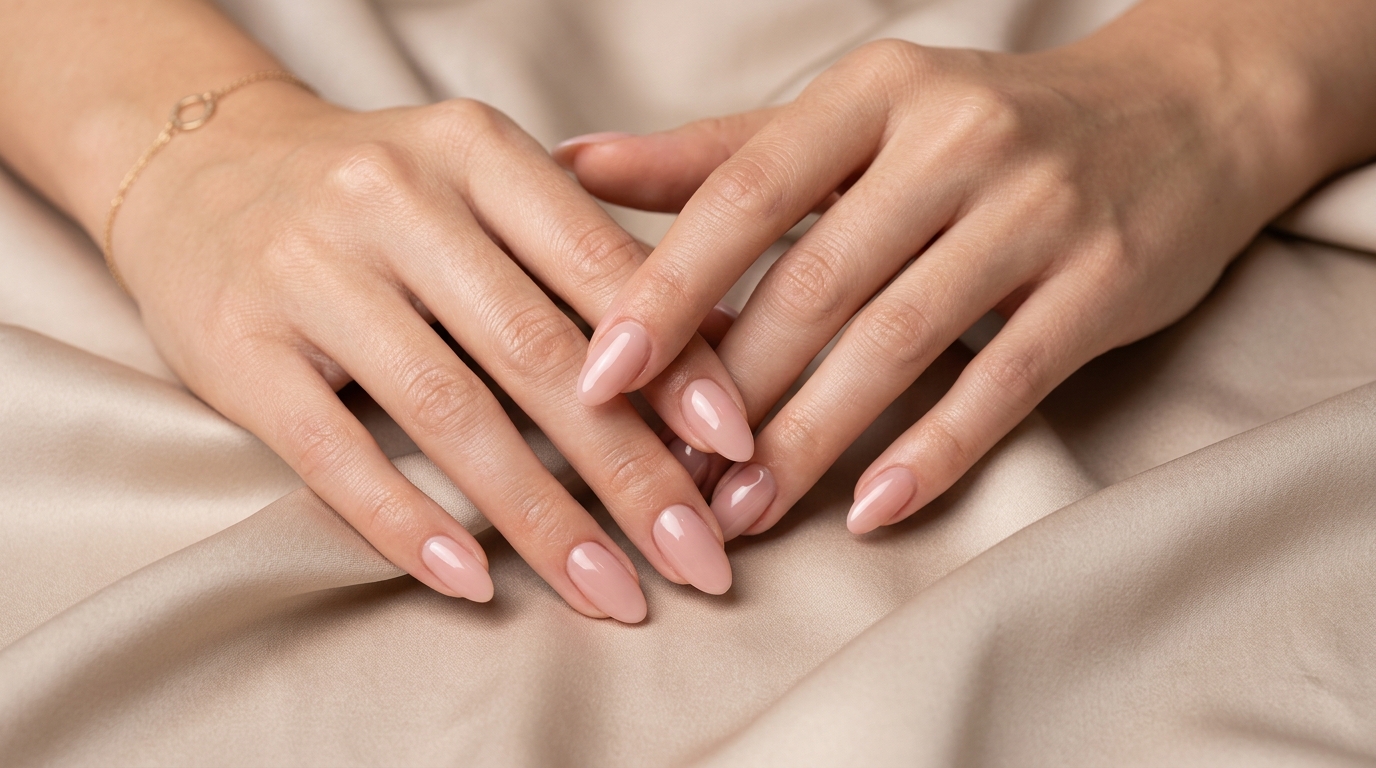
Pick your favorite polish shade, then click "Cure Under Lamp" to see how LED light sets liquid polish into a rock-solid, glass-like shine in 30 seconds.

Select Gel Polish Shade:

Selected Shade: Ballet Slipper Pink

30s
State: Liquid Polish Layer Needs 30s Curing
💡

How It Works: Unlike standard nail lacquer that air-dries by evaporating solvents over hours, gel polish contains photo-reactive resins. When exposed to salon LED light, the molecules cross-link instantly—creating a flexible, chip-proof glass seal that lasts 3 full weeks.

2. The Wattage Myth: Electrical Input vs. Optical Radiance

One of the most widespread marketing deceptions in the nail tool industry is the "wattage race." Online marketplaces are flooded with cheap plastic lamps claiming "120 Watts" or "180 Watts" for $19.99.

In electrical engineering, these numbers refer strictly to the lamp's electrical input power consumption (how much power the adapter draws from your wall outlet), NOT the actual optical radiant energy hitting your nails! A cheap 150W lamp with poorly calibrated generic diodes can emit less than 20% useful optical irradiance, wasting 80% of its energy as excessive, burning heat that damages nail beds.

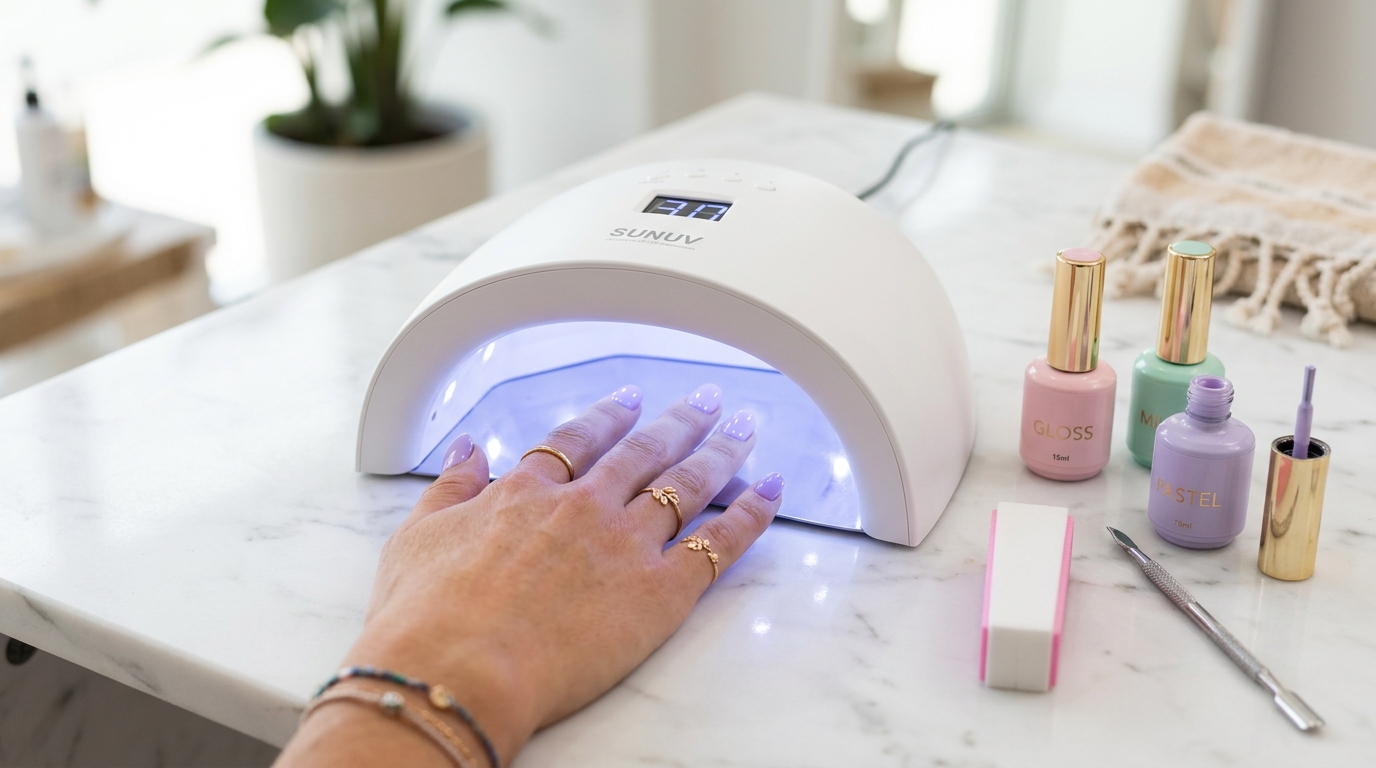
Professional salon brands like SunUV, Kokoist, and Bio Seaweed Gel engineer high-efficiency diodes that deliver focused optical radiance at true 48W to 54W with minimal thermal dissipation.

3. The Master Buyer’s Checklist: Mirrors, Diodes & Low-Heat Modes

Before purchasing an LED curing lamp, verify these four essential engineering features:

  1. Removable Mirrored Bottom Plate: A reflective stainless steel or mirrored tray bounces ultraviolet light rays upward from below, ensuring the undersides of your thumbs and lateral sidewalls cure at 100% identical rates. Removable bases also allow effortless pedicure sanitization.
  2. Strategic Diode Distribution: Inspect the diode layout. Avoid lamps with all diodes clustered on the ceiling; quality lamps feature angled side diodes dedicated specifically to illuminating thumbs.
  3. 99-Second "Low Heat Mode": This setting ramps optical power up gradually (e.g., 25% power for 30s, 50% for 30s, 100% for 39s). This gradual polymer cross-linking prevents painful exothermic heat spikes on sensitive natural nails.
  4. Infrared Smart Auto-Sensors: Hands-free sensors that illuminate the lamp automatically when you slide your fingers inside, preventing you from smudging wet gel on physical buttons.

4. 2026 Top Pro Lamps for At-Home and Salon Use

Here are the industry’s most trusted curing units for 2026:

Lamp Model Optical Power Key Strength Best Recommended For
SUNUV SUN2C 48W 48W Dual Wavelength Mirrored base + 33 dome diodes Best overall value for DIY home manicurists
Kokoist Le BLANC Cordless Professional Optical Array Lithium battery + 99s low heat Master nail artists & luxury mobile technicians
Makartt AirPlus 48W 48W Dual LED/UV Built-in cooling fan Clients prone to intense heat spikes

Investing in a certified, professional-grade dual-wavelength lamp is the single most important decision you can make to guarantee chip-free manicures and protect your hands from uncured acrylate contact.

Frequently Asked Questions

Reader Q&A • Expert Insights

Frequently Asked Questions

Expert-verified answers to common questions about techniques, products, and safety.

Can you use any LED lamp with any brand of gel polish?

Most modern gel polishes cure under standard 365nm-405nm dual-wavelength LED lamps. However, premium pot gels may require specific radiant output specified by the manufacturer.

Do LED nail lamps cause skin damage?

The cumulative UVA exposure during a 2-minute manicure is less than 2 minutes of natural midday sun. For maximum skin preservation, wear UPF 50+ fingerless gloves.

How often should you replace an LED nail lamp?

Unlike old fluorescent bulbs that degrade after 6 months, high-output LED diodes last 50,000 continuous hours (equivalent to over 5 years of daily salon use) before losing optical intensity.