Explore Expert Nail Guides & Trends See What's Trending
Guide saved to your personal reading list
Nail Shapes

How to File Nails at Home Like a Master Educator

Grit Chemistry, Single-Direction Strokes & Zero Keratin Splitting

Elena Rostova Editor-in-Chief & Master Nail Educator 14 min read
Verified by Elena Rostova • Master Nail Educator
How to File Nails at Home Like a Master Educator

Editor's Key Takeaway

"Master the art of salon-grade nail filing at home: why glass files outperform emery boards, the physics of 45-degree beveling, and how to prevent edge splitting."

1. The Nail File Arsenal: Grits, Materials & What to Avoid

Filing your nails seems like the simplest grooming routine in the world, yet improper filing technique is the number one cause of natural nail peeling, flaking, and vertical splitting seen in dermatological clinics. Using the wrong file grit or abrasive material tears the delicate keratin layers like jagged sandpaper.

Understanding file grit ratings is essential for healthy nails:

File Type & Grit Abrasive Material Appropriate Use Natural Nail Safety
Czech Glass File (240+ Grit) Chemically etched tempered glass Natural nails & fine shaping Safest (Seals keratin layers)
Fine Wooden Emery (180/240 Grit) Sandpaper on wood core Gentle natural nail shortening Safe if not sawed aggressively
Coarse Board (80/100 Grit) Silicon carbide / Emery Acrylic & hard gel debulking only DANGEROUS (Rips natural keratin)
Metal Diamond Files Cross-hatched steel Outdated metal tools AVOID (Causes micro-fractures)

Throw away coarse black emery boards and metal files. Invest in an authentic Czech etched crystal glass file: the microscopic etched teeth seal keratin fibrils together as you file, creating a mirror-smooth distal edge that resists water penetration.
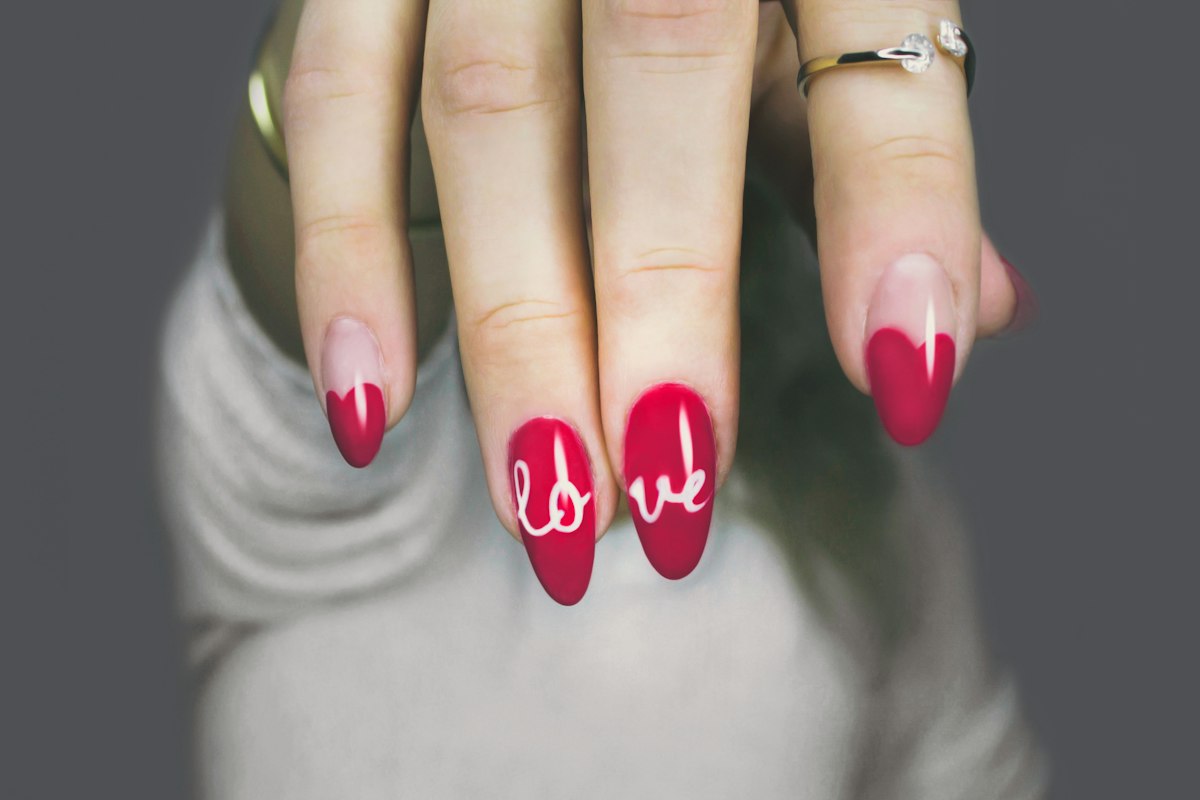
Interactive Anatomical Diagnostic

Interactive Nail Shape & Apex Visualizer

Select any shape below to inspect its stress points, lateral arches, and apex geometry.

Selected Profile:

Almond Silhouette

Tapers gently inward from lateral stress points toward a soft rounded peak. Universally slims wide fingers.

Structural Strength: 7.5 / 10
Apex Leverage: Medium
Best Lifestyle: Salon, Office, Social

2. The Physics of Filing: Why Sawing Destroys Keratin

The most common filing mistake is the rapid "see-saw" motion, vigorously dragging the file back and forth across the free edge. Here is what happens at a microscopic cellular level when you saw back and forth:

Your natural nail plate is composed of approximately 100 to 150 flattened, compressed layers of dead keratin cells glued together by cellular lipids (squalene and cholesterol). When you drag an abrasive file forward and backward, the mechanical friction heats up and pulls the keratin layers in opposite directions, causing micro-delamination.

Within 48 hours, water and soap seep into these microscopic separations, expanding and contracting the layers until the top sheet peels off in flakes. To prevent this, always file in a single direction: sweep from the outer sidewall toward the center, lift the file, and repeat.

3. Elena’s 5-Step Master Shaping Protocol

Follow Master Educator Elena Rostova’s clinic-approved filing routine:

  1. File When Nails Are 100% Dry: Never file immediately after showering or washing dishes! Wet keratin is swollen with water and extremely fragile, leading to tears.
  2. Support the Lateral Sidewall: Hold the side of your finger firmly with your opposite thumb to stabilize the live nail bed while filing the free edge.
  3. Hold at a 45-Degree Bevel: Tilt the file slightly underneath the nail at a 45-degree angle. This removes the weak underside lip that causes snagging.
  4. Check Bilateral Symmetry: Turn your hand around and view your nails with palms facing inward, checking from the viewpoint of an onlooker.
  5. Remove the Under-Keratin Feather: Lightly flick the edge with a 280-grit buffer upward to dust away the thin keratin fringe.

4. Post-Filing Seal: Locking the Distal Edge with Lipids

Immediately after completing your filing, your free-edge keratin is fresh and exposed. To lock the microscopic layers against moisture loss and detergents:

Massage a drop of pure cold-pressed jojoba oil directly along the distal free edge and underneath the nail plate into the hyponychium. Jojoba’s wax ester structure mirrors human sebum, instantly penetrating the micro-gaps and waterproof-sealing the freshly filed perimeter.

Frequently Asked Questions

Reader Q&A • Expert Insights

Frequently Asked Questions

Expert-verified answers to common questions about techniques, products, and safety.

Why do my nails always peel at the tips after filing?

Tip peeling is almost always caused by sawing back and forth with a coarse file, which splits the 100+ keratin layers apart. Switch to an etched glass file and stroke in one direction only.

Is it better to cut or file natural nails?

Filing with a fine glass file is much gentler on natural nails. Clippers exert crushing mechanical pressure that can create micro-fractures across brittle plates.

How often should you file your natural nails?

File every 5 to 7 days for maintenance, removing only 0.5mm to 1mm to preserve shape and eliminate micro-snags before they turn into full tears.